

5 Key Benefits of Vitamin C: Its Contributions to the Body
What incredible benefits come to mind when you hear the term Vitamin C? First, let's take a look together at why this vitamin is so important! Vitamin C is a nutrient vital for our body, offering numerous benefits.
- Vitamin C plays a role in the normal function of the immune system. By increasing the production of white blood cells in our body, it can enhance our ability to fight infections and protect against illnesses like the common cold.
- As a powerful antioxidant, Vitamin C contributes to protecting cells from oxidative stress and can help prevent cell damage caused by free radicals.
- Vitamin C contributes to normal collagen formation, which is necessary for the normal function of the skin. Vitamin C supports collagen production, increasing skin elasticity, reducing wrinkles, and promoting a healthier, younger appearance.
- It increases iron absorption. It helps the body absorb plant-based iron more effectively.
- Vitamin C contributes to the normal function of blood vessels. Controlling high blood pressure is also of great importance for heart health. Therefore, consuming foods rich in Vitamin C is an important step to maintain and support our overall health.
After these 5 incredible benefits, you might attach more importance to getting Vitamin C into your body… If you want to learn more about this topic, you can read the full article.
What Foods Contain Vitamin C?
Vitamin C is an essential nutrient for our health and is naturally found in many foods. Citrus fruits are among the best-known sources of this vitamin. Fruits like oranges, tangerines, grapefruits, and lemons strengthen the immune system and support overall health with their high Vitamin C content. Additionally, red and green peppers are excellent sources of Vitamin C. These vegetables provide a significant amount of Vitamin C to the body when consumed raw or lightly cooked. Fruits like kiwi and strawberries are also rich in Vitamin C. Green leafy vegetables such as broccoli, Brussels sprouts, and spinach are also packed with Vitamin C. These vegetables not only support the immune system but also increase iron absorption. Therefore, adding these foods to your diet helps meet your daily Vitamin C needs and can help protect your overall health.
How to Get More Vitamin C?
To get more Vitamin C, you can include a variety of fruits and vegetables in your diet. Having a diet rich in Vitamin C can help you get enough Vitamin C. You can also get the Vitamin C your body needs by taking daily supplements.
Vitamin C is not stored in the body, so we must ensure we get enough Vitamin C every day and include Vitamin C-containing foods in our daily diet.
Naturiga's Vitamin C Products
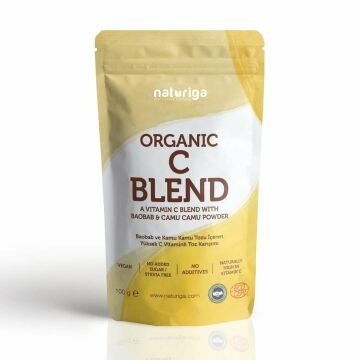 We can talk about Naturiga Organic Mix with Vitamin C.
Naturiga offers organic products notable for their high Vitamin C content, supporting healthy and balanced nutrition. Specifically, the blend created with Camu Camu powder, the fruit with the highest Vitamin C content in the world, and Baobab powder, the fruit of Africa's tree of life, rich in Vitamin C and prebiotic properties, contributes to the normal functioning of the immune system. This organic blend provides twice the daily Vitamin C requirement in a single serving, helps meet your Vitamin C needs naturally, and supports your nutrition with prebiotics that promote the growth of probiotic microorganisms in the intestines.
Our organic blend also includes organic ginger powder, a favorite Ayurvedic spice. You can use this mixture by adding it directly to water, or by boosting fresh vegetable and fruit juices or smoothies. You can add it to homemade lemonade or ice cream recipes. Also, by adding it to breakfast bowls, you can increase your daily Vitamin C intake. For herbal teas, adding it just before serving can provide extra nutritional support to your drink.

Dietitian Ege Bölük
I graduated from İstinye University's Department of Nutrition and Dietetics in 2020 and worked in the clinic of a specialist doctor in bariatric nutrition to specialize in this field.
I continued my career by completing various training courses on multidisciplinary approaches to eating disorders, the use and support of nutritional supplements in diet, psychodietetics, sports nutrition and physiotherapy, celiac disease, and gluten enteropathy.
After joining the Naturiga team, I have been working on functional nutrition and dietary supplements with Mr. Erdi Uğur, a functional medicine dietitian.


