

What to Consider When Choosing Cocoa?
When choosing cocoa, it is important to consider a few key points to obtain a high-quality and healthy product. First, the cocoa percentage indicates the actual amount of cocoa in the product. Products with a higher cocoa percentage typically have a more intense flavor profile and may be richer in antioxidants.
Additionally, choosing organic and certified cocoa is important. Organic cocoa is grown without the use of pesticides, herbicides, and chemical fertilizers, which can help you obtain a healthier product.
Finally, when choosing cocoa, the reputation of the company or brand should also be considered. Reliable and reputable brands can offer more transparency regarding their production processes and ingredients. When these points are combined, selecting a healthy and delicious cocoa product can be easier.
What is the Relationship Between Cocoa and Cadmium?
The relationship between cocoa and cadmium stems from the soil where the cocoa plant grows. Cadmium is a naturally occurring metal in soils, and some agricultural products can accumulate this metal. The cocoa plant tends to absorb cadmium from the soil, so cocoa products may contain cadmium.
Factors such as industrial activities, fertilizer use, or fossil fuel consumption can increase cadmium levels in the soil. This can increase the likelihood of the cocoa plant absorbing this metal. As a result, cadmium may be present in cocoa products.
For your health, it is important to be careful when consuming cocoa products. Excessive consumption of foods high in cadmium can lead to health problems. Therefore, if possible, choosing organic and certified cocoa products may adhere to better soil quality standards and reduce the risk of cadmium. Additionally, a balanced diet and diverse food sources can also be considered a healthy eating practice.
Does Cocoa Have Benefits for the Body?
Cocoa is known as a food rich in antioxidants. Antioxidants can fight against free radicals in the body, reducing cellular stress and generally improving health. These antioxidants, including flavonoids, polyphenols, and catechins, can dilate blood vessels and lower blood pressure, thereby supporting heart health.
Furthermore, the flavonoids found in cocoa are thought to have the potential to protect the cardiovascular system by regulating cholesterol levels. When consumed regularly and in controlled amounts, cocoa can support heart health.
However, to obtain the health benefits of cocoa, it is important to choose its unprocessed and low-sugar form. Processed chocolates containing sugar and fat can reduce these benefits and may lead to negative effects if consumed in excess. Cocoa, consumed correctly with a balanced and varied diet, can support a healthy lifestyle.
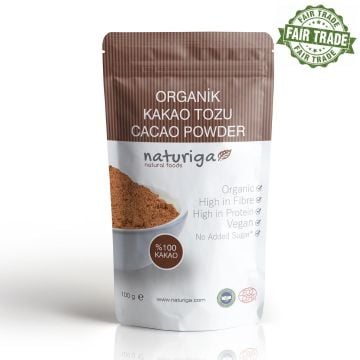
Add joy and flavor to your desserts, breakfast, and life with Naturiga's organic cocoa, sourced through fair trade farming!
What is the Nutritional Value of Cocoa?
The nutritional value of each product may vary. We can discuss the nutritional value for Naturiga Organic Cocoa Powder. 100 grams of cocoa contains an average of 328 calories. There are about 12 grams of fat, 22 grams of protein, and 22 grams of fiber. It contains 72% potassium, 64% iron, 350% copper, and 141% magnesium.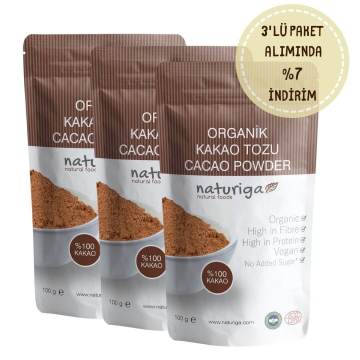
Don't miss the 7% discount opportunity when purchasing the 3-pack Cocoa Powder!

Dietitian Ege Bölük
I graduated from İstinye University's Department of Nutrition and Dietetics in 2020 and worked in a specialist doctor's clinic to specialize in bariatric nutrition.
I continued my career by completing various training courses on multidisciplinary approaches to eating disorders, the use and support of nutritional supplements in diet, psychodietetics, sports nutrition and physiotherapy, celiac disease, and gluten enteropathy.
After joining the Naturiga team, I am working on functional nutrition and dietary supplements with functional medicine dietitian Mr. Erdi Uğur.


